Kerupuk — Indonesia’s iconic cracker snack — has a production process that blends traditional technique with modern food safety practice. For overseas buyers curious about what happens before kerupuk reaches export packaging, here’s a look at the process.
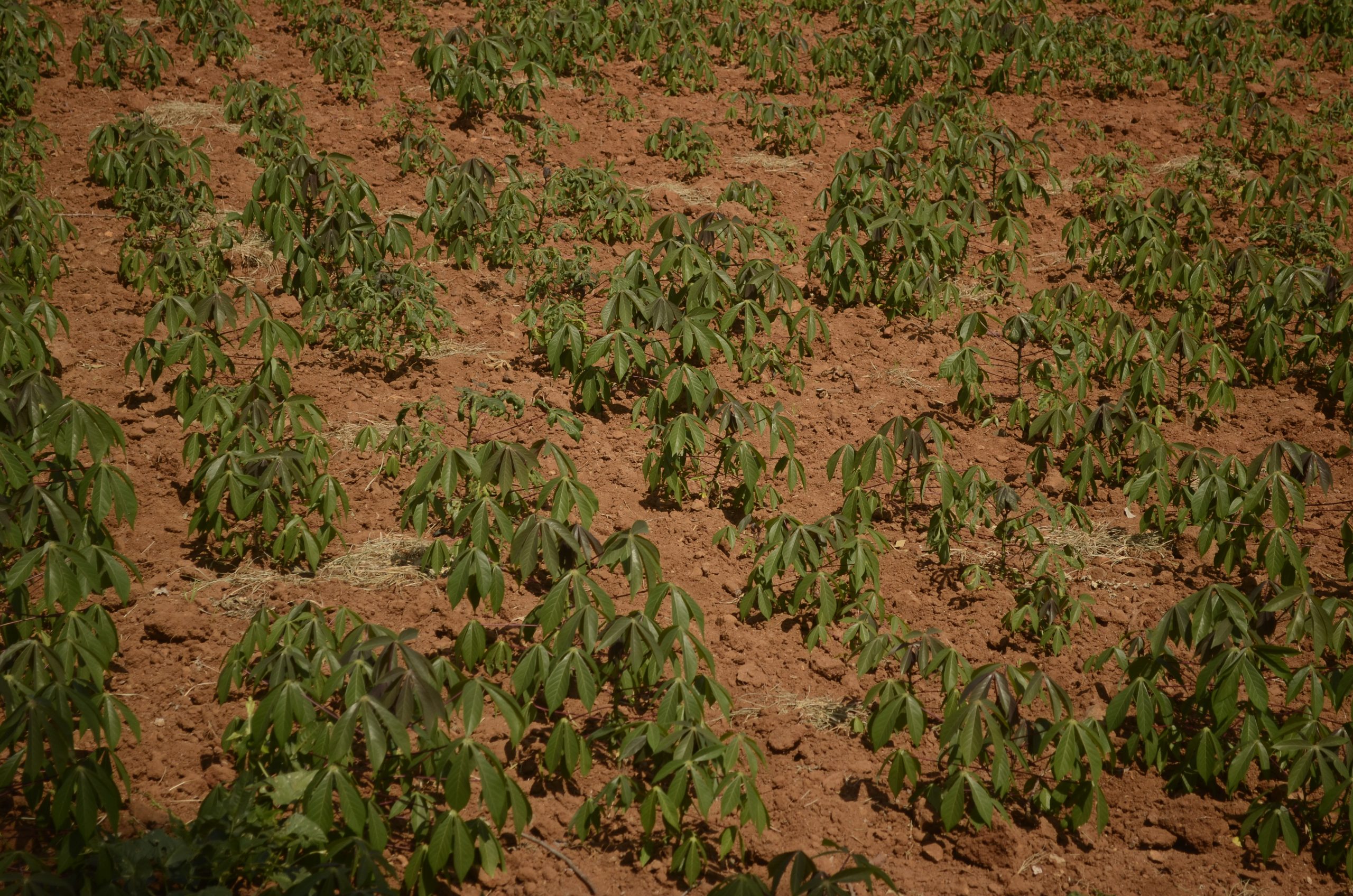
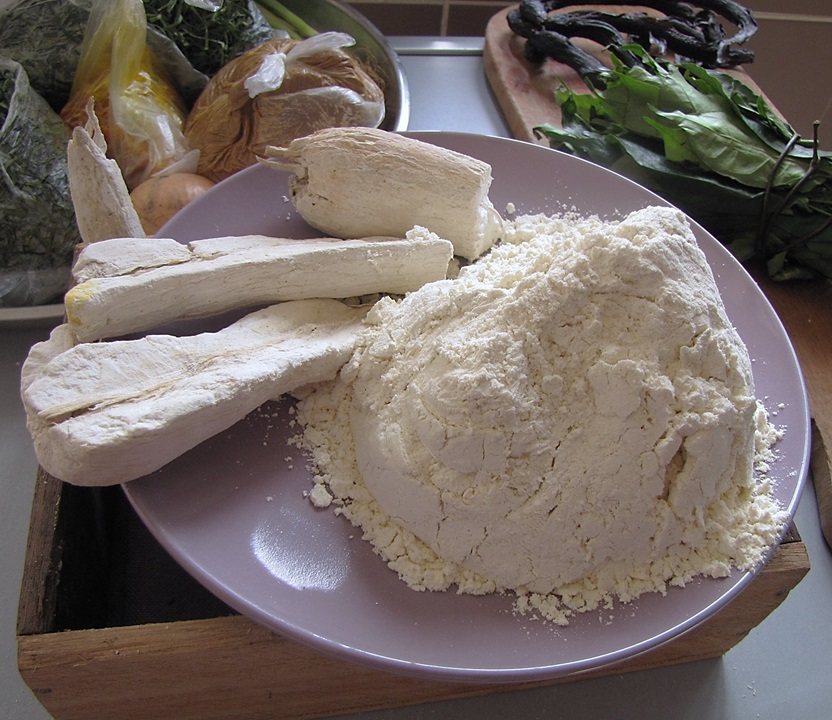
1. Raw material preparation. Tapioca starch is combined with flavoring ingredients — commonly fish, shrimp, or simply seasoning, depending on the variety — and mixed into a dough.
2. Steaming and shaping. The dough is formed into logs, steamed until fully cooked, then cooled and sliced into thin rounds.
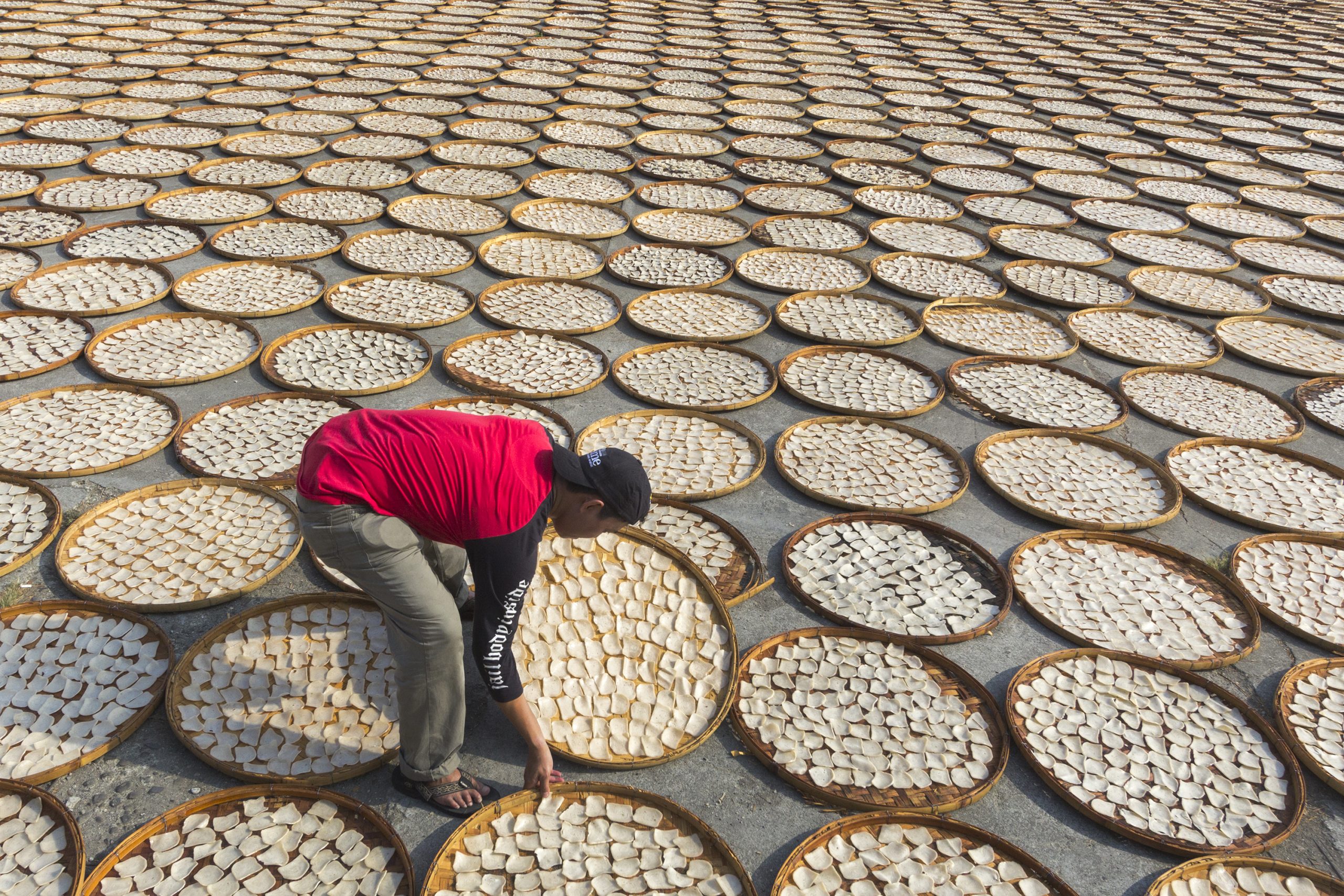
3. Sun-drying. Sliced crackers are dried, traditionally under the sun, until moisture content drops low enough for stable storage and export. This step is critical: insufficient drying leads to spoilage risk, while proper drying gives kerupuk its long shelf life in raw form.
4. Quality sorting and packaging. Dried crackers are sorted for size and appearance consistency, then packed either as raw (unfried) crackers — the preferred form for export, since they remain shelf-stable and are fried fresh by the end buyer — or pre-fried for ready-to-eat retail markets.
Why unfried/raw export matters: Raw, dried kerupuk has a significantly longer shelf life than fried product and takes up less shipping volume relative to weight, which is why most B2B export orders are for raw crackers rather than finished fried snacks.