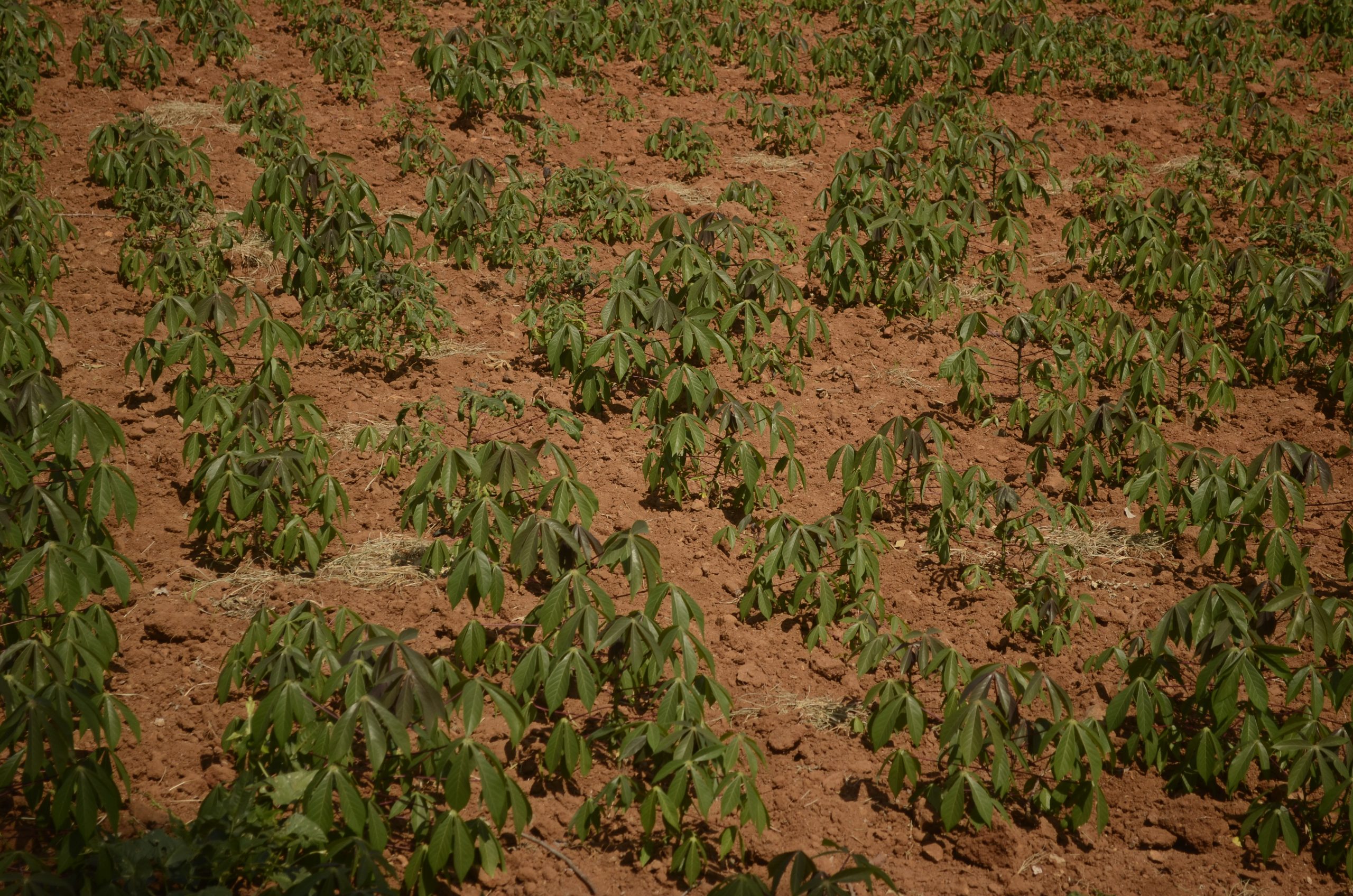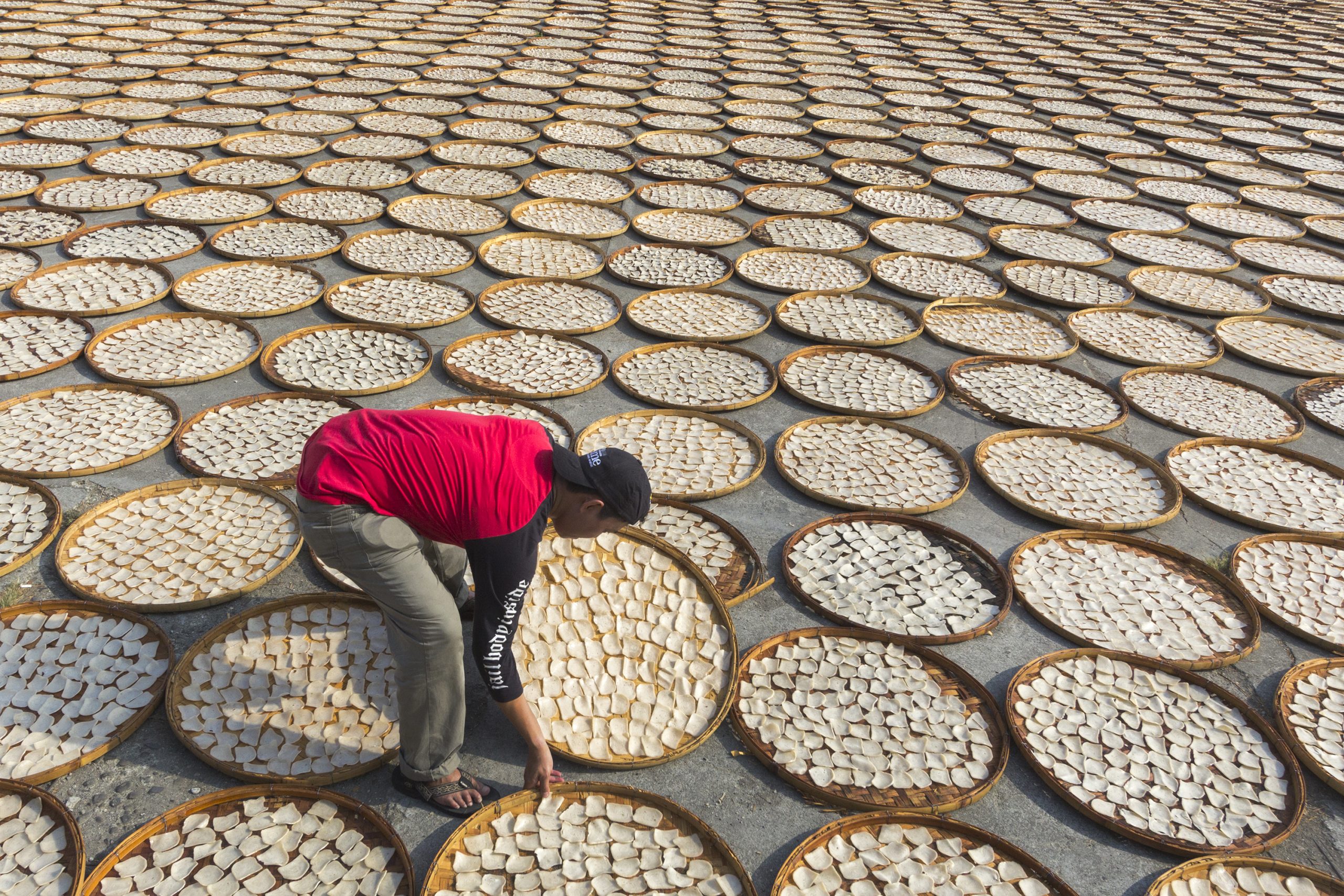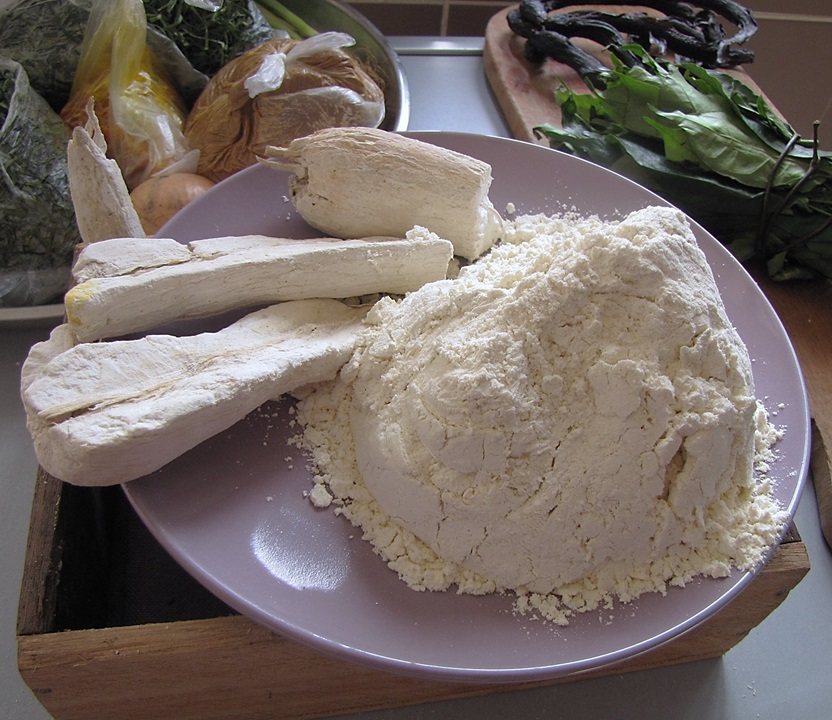
Indonesia is one of the world’s largest producers of cassava, palm oil, coconut, and a range of other food and agricultural raw materials — making it an increasingly important sourcing destination for international food manufacturers and distributors. Here’s what buyers new to the market should know.
1. Work with manufacturers, not just traders. Sourcing directly from a manufacturer (rather than a middleman/trading company) typically gives better visibility into production capacity, quality control practices, and pricing transparency.
2. Ask for certifications relevant to your market. HACCP and ISO 22000 are widely recognized food safety standards. If your target market includes Muslim-majority countries, Halal certification (in Indonesia, issued in coordination with MUI) is essential. Registration with BPOM (Indonesia’s food and drug regulatory body) confirms the product is compliant for domestic distribution as well.
3. Clarify Incoterms early. FOB (Free on Board) and CIF (Cost, Insurance, and Freight) are the most common terms for Indonesian export shipments — confirm which applies to your quote, since it significantly affects landed cost calculations.
4. Start with a sample order. Reputable manufacturers should be willing to provide samples or a small trial order before you commit to a full container. This is standard practice and a good way to verify quality consistency before scaling up.
5. Plan for lead time. Production scheduling, port logistics, and shipping transit time all factor into total lead time — build this into your inventory planning, especially for first orders with a new supplier.