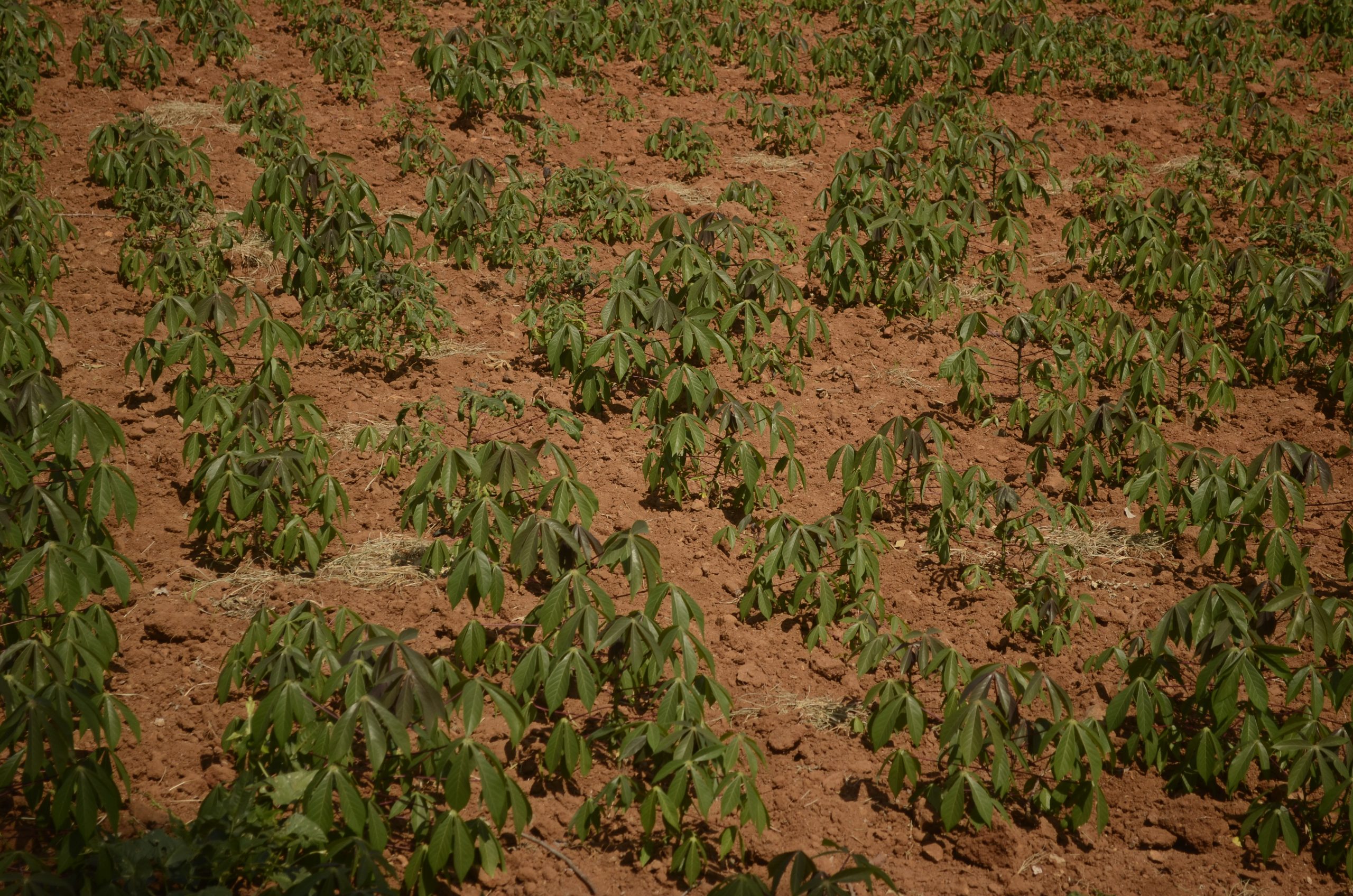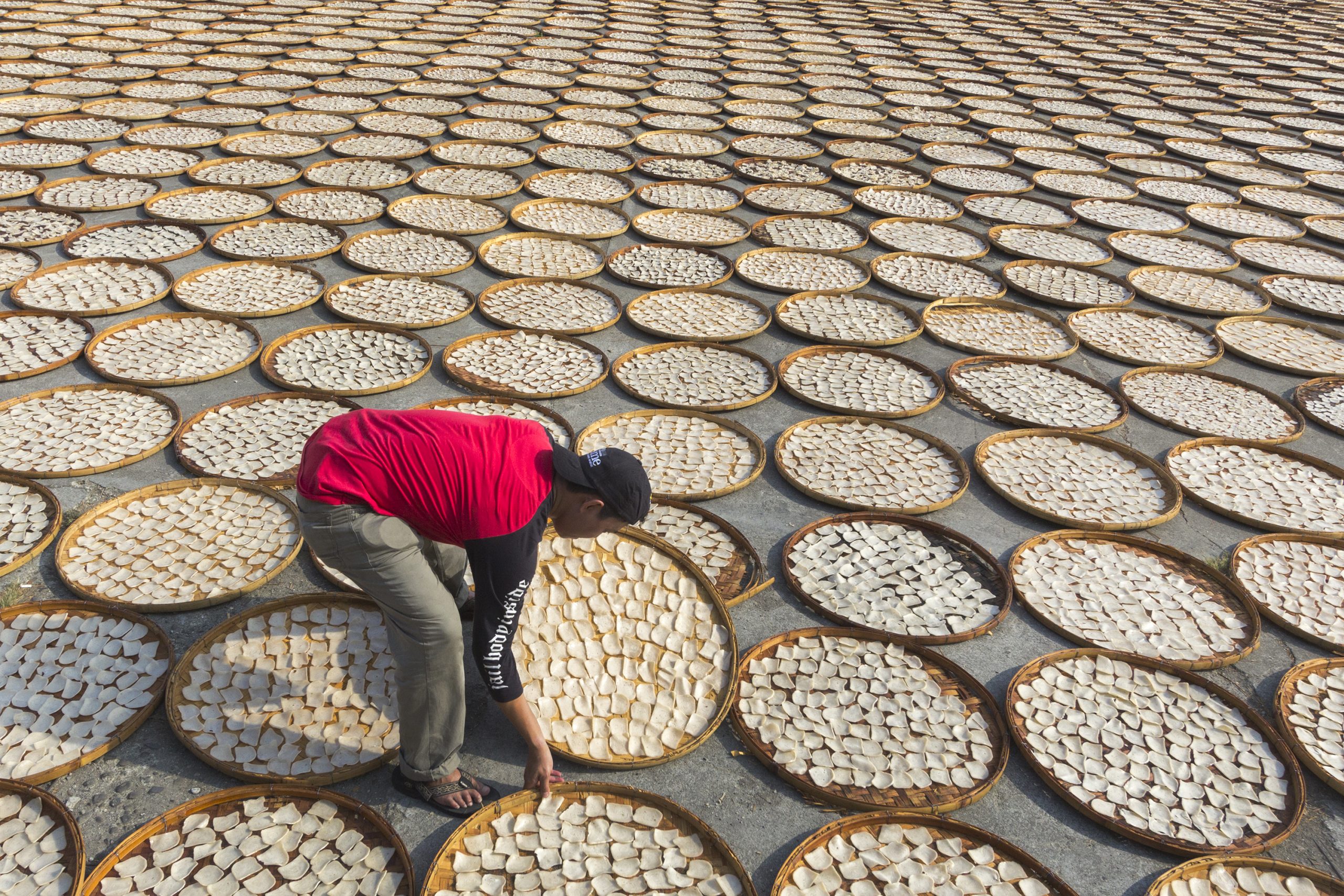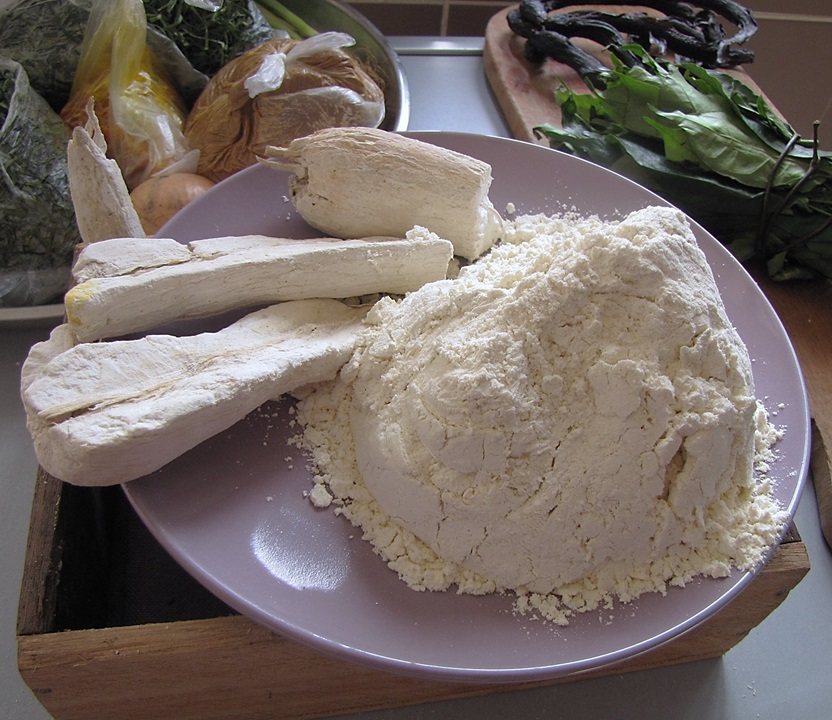
For international buyers new to sourcing from Southeast Asia, the terms “tapioca flour” and “cassava starch” are often used interchangeably — and for good reason: both are derived from the same root, Manihot esculenta, commonly known as cassava or yuca.
The short answer: tapioca flour and cassava starch are technically the same product — pure starch extracted from the cassava root. The naming difference is largely regional and market-driven. In Southeast Asia and much of Asia, the product is typically labeled “tapioca flour” or “tapioca starch.” In Latin America and parts of the US market, “cassava starch” is more common terminology.
Where confusion arises: some suppliers use “cassava flour” to describe a different product — the whole root, dried and ground, retaining fiber and nutrients rather than pure extracted starch. This is not interchangeable with tapioca flour/cassava starch in most industrial or food applications, since it behaves very differently in baking, thickening, and processing.
What buyers should specify when sourcing:
1. Moisture content (typically 13% or below for export stability)
2. Whiteness grade
3. Viscosity (particularly important for food and industrial applications like adhesives or textile sizing)
4. Packaging format (25kg/50kg bags are standard for export)
When evaluating suppliers, always request a specification sheet and, where possible, a sample batch before committing to a full container order.